
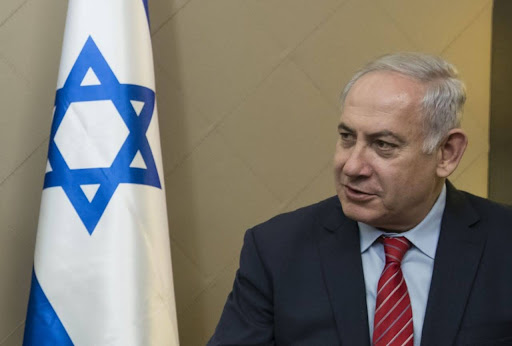
Israeli Prime Minister Benjamin Netanyahu offered a bold combined vision on Friday, announcing that Iran’s uranium enrichment capability had been eliminated in just three weeks of war while also proposing a network of new pipelines to permanently replace the Strait of Hormuz as a global energy corridor. He rejected reports that Israel had pushed the US into the conflict. Netanyahu’s press conference was forward-looking and strategic, combining military declarations with long-range infrastructure planning.
The prime minister addressed his relationship with Trump in notably candid terms. He called their coordination the most tightly aligned he had ever witnessed between two world leaders, while positioning Trump as the partnership’s leader. Netanyahu said Trump had brought his own independent and deeply formed understanding of Iran’s nuclear threat to the table, contributing insights that enriched their shared strategic thinking.
Netanyahu confirmed Israel’s unilateral strike on the South Pars gas complex and disclosed Trump’s personal request to pause further strikes on Iranian gas facilities. He handled both facts openly, framing them as natural elements of a mature and communicative alliance. Netanyahu emphasized that Israel’s right to make independent military decisions remained fully intact.
On the Hormuz issue, Netanyahu dismissed Iran’s closure threats as blackmail that would fail. He proposed pipeline routes running from the Arabian Peninsula westward to Israeli and Mediterranean ports, arguing this would create lasting energy resilience and permanently neutralize one of Iran’s most powerful geopolitical tools. Netanyahu presented this as a transformative post-conflict infrastructure investment.
Netanyahu closed by analyzing Iran’s visible leadership dysfunction. He noted Mojtaba’s continued absence from public life and admitted genuine uncertainty about who was governing the country. Netanyahu pointed to the intense competition among rival factions in Tehran and concluded that this internal chaos, layered over military losses, was hastening the conflict’s end.: