
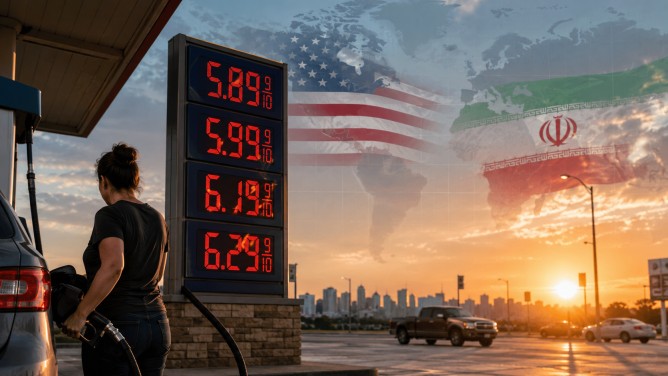
Gasoline prices in the United States have soared to unprecedented levels for the month of August, driven by stalled diplomatic discussions between the US and Iran, alongside persistent tensions in the Strait of Hormuz, a critical chokepoint for global oil transportation. The national average price for gasoline has climbed to $4.06 per gallon, marking an increase of about 5 cents from the week before and nearly $1 more than the same time last year. In states such as California and Hawaii, where fuel costs are traditionally higher, averages have spiked to approximately $5.50 per gallon.
The escalation in gasoline prices is closely linked to the elevated oil prices that have persisted since the onset of the US-Israel conflict with Iran. This conflict has been exacerbated by disruptions in the Strait of Hormuz, a vital corridor for oil exports worldwide. While Brent crude oil previously surged to $112 a barrel, it has since decreased somewhat, but still remains well above the rates observed a year prior.
For a brief period, gasoline prices experienced a decline when temporary agreements appeared to ease tensions between the US and Iran. However, with negotiations now stalled and the prospect of an extended conflict looming, prices have begun to rise once more. This latest uptick in fuel costs follows the failure of both nations to come to terms on Iran’s nuclear ambitions within a designated 60-day period for diplomatic engagement. Adding to the uncertainty, recent threats from Trump directed at Oman have heightened fears of further instability in the region.
As fuel expenses climb, American households are feeling the strain, particularly in the context of already high living costs. Over the past half-year, consumers in the US have spent tens of billions more on gasoline than they would have prior to the conflict, amplifying financial stress. Should these increased energy prices persist, they could contribute to renewed inflationary pressures, impacting the broader economy.