
Achieving better liver health can start with informed dietary choices. A physician specializing in gastrointestinal medicine has identified seven fruits and vegetables that provide meaningful liver-supporting benefits through their unique nutritional profiles.
Your liver performs extraordinary work managing detoxification, metabolism, and synthesis of essential compounds. Supporting this organ’s health through targeted nutrition enhances not only liver function but overall wellness. Specific foods contain bioactive compounds that directly benefit hepatic cells and metabolic pathways.
A medical professional with expertise in digestive and liver conditions has compiled research-backed nutritional recommendations. His approach highlights foods containing specific polyphenols, antioxidants, and beneficial substances that protect liver tissue and support metabolic efficiency. These selections offer evidence-based strategies that integrate easily into varied dietary patterns.
The guidance begins with cranberries, appreciated for polyphenol content that acts as prebiotics supporting beneficial intestinal bacteria. The established gut-liver connection means improving digestive health simultaneously benefits hepatic function. Watermelon combined with lime provides citrulline for nitric oxide support and vitamin C for antioxidant protection, both enhancing blood circulation to liver tissue.
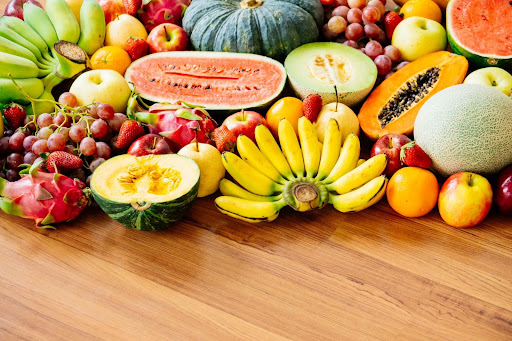
Pomegranates contribute ellagitannins and punicalagins that help modulate inflammatory processes affecting the liver. Raspberries deliver fiber and anthocyanins that work synergistically to stabilize blood glucose and improve lipid metabolism. Apples paired with cinnamon offer pectin fiber and compounds supporting insulin sensitivity and cholesterol levels. Beetroots supply nitrates for vascular health and betaine, which assists in fat processing within liver cells. Strawberries combined with quality dark chocolate provide flavanols that benefit blood vessel function and overall metabolic wellness.
7 Everyday Foods That Enhance Liver Health: Evidence-Based Guidance From Expert
Picture Credit: www.freepik.com
108