
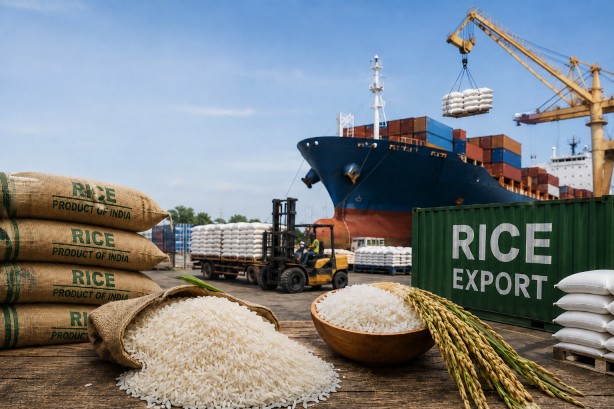
As international rice prices begin to rebound and demand intensifies in several key markets, Vietnam is poised to see a boost in its rice export values in the closing months of 2026. By mid-August, the nation had shipped approximately 5.7 million tonnes of rice, with expectations to reach around 7.7 million tonnes by year-end. Despite this volume, export earnings are anticipated to be about $3.9 billion, a 4% decline from the previous year, primarily due to lower average prices in the first half of the year. However, a notable price increase of 5.8% year-on-year in July could signal a recovery, potentially enhancing Vietnam’s export revenue in the remaining months.
Global market trends might further support Vietnam’s rice exports. The 2026-27 crop year is projected to experience a supply-demand deficit, and global rice trade could hit record levels. Additionally, concerns about a strong El Niño event may prompt countries to bolster their food reserves. The Philippines, Vietnam’s largest rice market, intends to continue its rice imports to secure its reserves, expecting to import about 5.6 million tonnes during the 2026-27 crop year. Meanwhile, China is increasing its imports of broken rice for animal feed, presenting more opportunities for Vietnamese exporters.
Other markets also hold promise for growth. Nigeria is anticipated to encounter a significant gap in rice supply, while Kenya has temporarily lifted import duties on white rice under a quota system. Vietnamese exporters are increasingly tapping into premium markets, with high-quality and low-emission certified rice fetching over $1,000 per tonne in regions such as Japan, the European Union, and Australia.
Despite this optimistic outlook, Vietnam’s rice industry must navigate several hurdles. The Philippines is considering implementing additional safeguard duties on rice imports from Vietnam and other major suppliers, potentially raising the overall tariff above 35% and impacting shipments to this crucial market. Indonesia is not expected to import rice this year due to robust domestic production and high reserves. Vietnamese rice also faces price competition from Indian and Pakistani suppliers in various African markets. Meanwhile, Thailand is expanding its influence in China, and Cambodia is increasing its fragrant rice exports, further intensifying the competition for Vietnamese exporters.
Other challenges include elevated costs of fertilizers, transportation, and energy, which strain farmers and exporters alike. Moreover, the threat of El Niño could result in drought and saltwater intrusion between late 2026 and early 2027, potentially affecting the next winter-spring rice crop. Nonetheless, the combination of recovering prices, heightened demand, and a growing interest in premium rice may help Vietnam bolster its export earnings as the year comes to a close, despite ongoing concerns over tariffs, competition, and weather-related risks.