
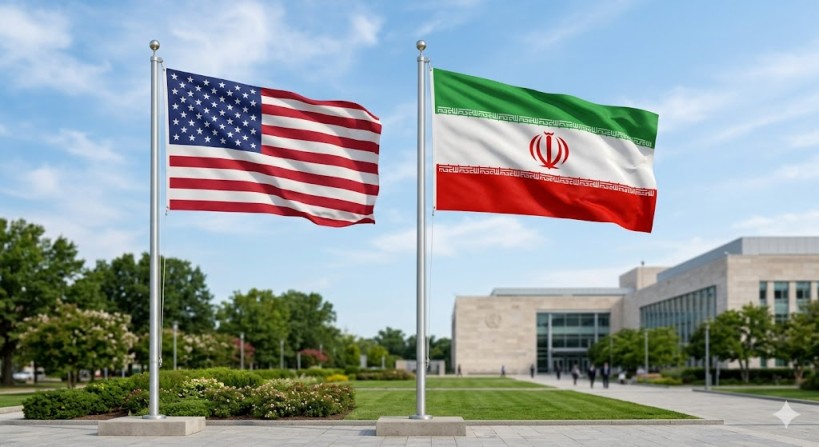
The latest round of talks between the United States and Iran has shown little advancement, despite concerted efforts to prolong a ceasefire and ease tensions throughout the Middle East. President Donald Trump has indicated that negotiations with Iran are nearing completion. However, Iranian Foreign Minister Abbas Araghchi has reported that, although mediators continue to facilitate indirect communications, significant progress remains elusive.
A major sticking point is Iran’s insistence on achieving a ceasefire in Lebanon before any comprehensive deal with the US can be reached. The proposed agreement seeks to extend the existing truce and enable the reopening of the strategically vital Strait of Hormuz. This waterway is crucial for global oil shipments, and any disruption in its operations could have far-reaching effects on energy supplies and prices worldwide.
In Lebanon, tensions remain elevated as Israeli forces and the Iran-supported Hezbollah group continue to clash. Hezbollah has refused a ceasefire proposal backed by the US, leading to ongoing exchanges of fire in southern Lebanon. The persistent hostilities underscore the complexities of achieving a broader peace agreement in the region.
The uncertain situation is closely watched by global energy markets, with investors staying alert to developments affecting the Strait of Hormuz. As this critical oil shipment route remains vulnerable to potential disruptions, the stakes are high for both regional stability and the global economy.
Amidst these challenges, diplomatic efforts persist as both regional and international players strive to prevent further escalation. There is a concerted push among stakeholders to secure a comprehensive agreement that not only stabilizes the current situation but also lays the groundwork for lasting peace in the Middle East.