
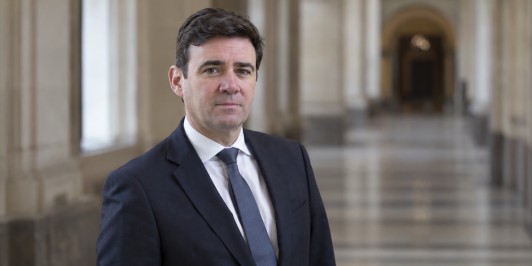
In an era marked by the swift evolution of digital technology and the growing prevalence of misinformation, the UK is taking a proactive stance against the threats posed by hostile information campaigns. Addressing global leaders at the United Nations General Assembly in New York, UK Prime Minister Andy Burnham unveiled plans for a new National Centre for Information Defence. This initiative aims to combat disinformation, including AI-generated deepfakes, which increasingly target Britain and other democracies.
The proposed centre is designed to enhance the UK’s ability to detect, attribute, and disrupt information attacks orchestrated by foreign states. It will serve as a collaborative hub, bringing together security agencies, law enforcement, and other key organisations to strengthen national defences against information warfare. Burnham cited Russia as a primary actor in spreading disinformation, accusing it of deploying bots, fake websites, and manipulated content to sway public opinion. The UK government claims to have evidence of Russian attempts to interfere in the 2019 general election.
With the rapid development of artificial intelligence, Burnham emphasised the increasing potential for amplified information attacks. This has prompted the UK government to stress the need for both national and international cooperation in addressing these threats. The new centre will also focus on bolstering public resilience against misleading online content and deepfakes, aiming to raise awareness and improve the public’s ability to critically assess information.
The UK intends to share its findings and strategies with other nations facing similar challenges, particularly as several European countries prepare for upcoming elections. The establishment of the National Centre for Information Defence is a testament to the UK’s commitment to safeguarding its democratic processes and maintaining robust defences against evolving digital threats.